
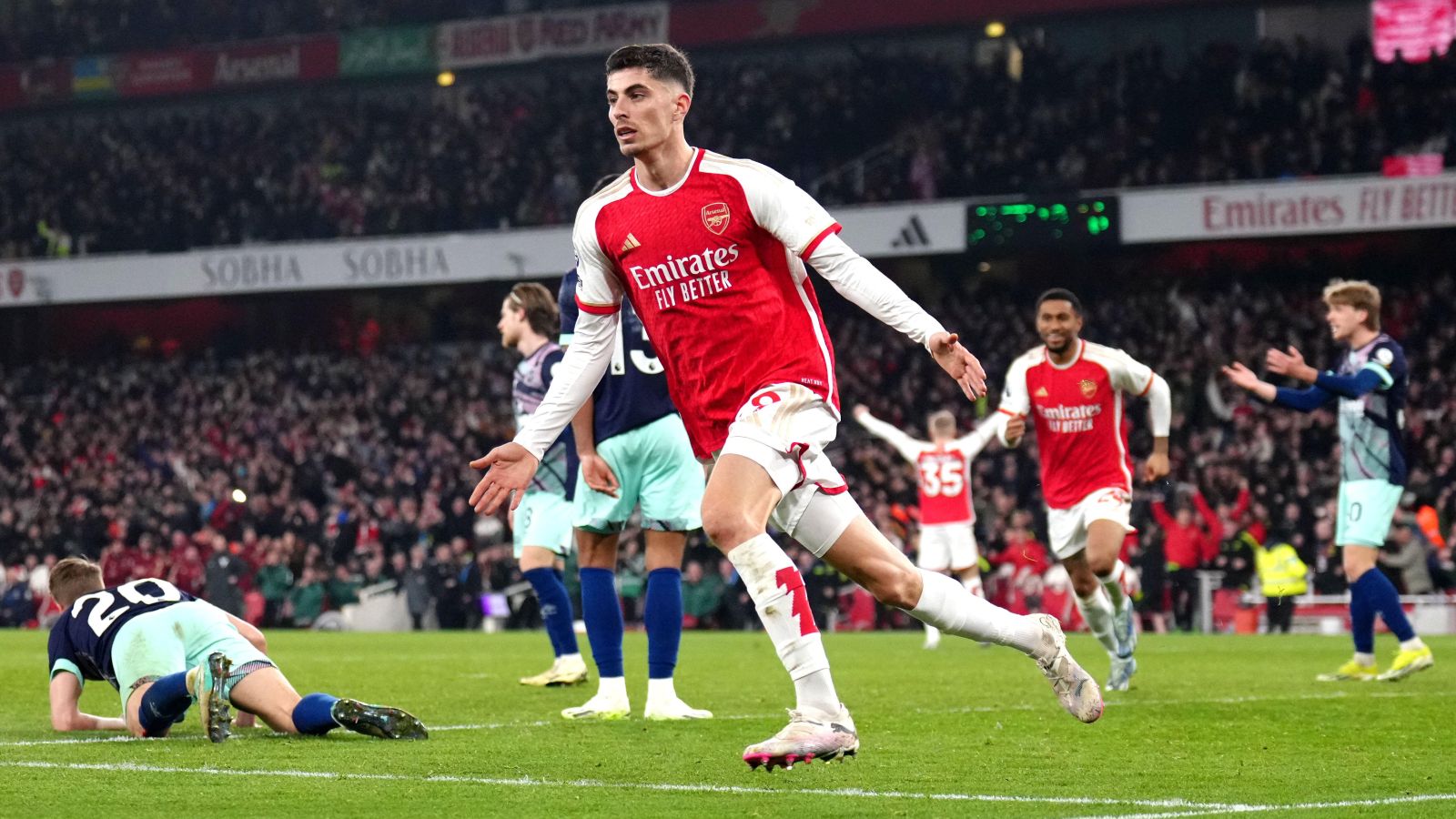
Teams that score the first goal frequently are not simply “good teams.” They are teams whose early-match behaviors create a repeatable advantage before the game settles into a stable rhythm. In the Premier League, the first goal matters because it changes risk tolerance, pressing height, substitution timing, and the number of transition moments each side is willing to allow. To understand which teams are most likely to score first, you need to analyze mechanisms that operate in the first 20–30 minutes: how quickly a team reaches dangerous zones, how it forces errors, and how often it turns early pressure into a high-quality finish.
Why the First Goal Is a Different Problem Than Total Goals
Scoring first is not the same as scoring a lot across 90 minutes. A team can be a strong second-half scorer and still struggle to score first if it starts cautiously, needs time to build rhythm, or relies on opponents opening up. Conversely, some teams are excellent early scorers because they begin with aggressive pressing, fast wing progression, or set-piece pressure, even if their chance creation slows later.
The key difference is time and information. Early phases happen before coaches can adjust and before fatigue widens spaces. That means first-goal probability is driven more by pre-planned tactics, starting lineups, and the first script each team intends to execute, rather than by late-game randomness.
The Main Mechanism: Early Territorial Advantage That Turns Into Box Access
The most consistent first-goal teams typically start by winning territory and forcing the opponent to defend closer to its own goal. Territorial advantage matters because it shortens the distance to the box, increases corner frequency, and raises the chance of a defensive mistake under pressure. However, territory alone is not enough. The difference is whether the team converts territory into box access, especially central shots and cutbacks.
Early-goal teams often have pre-rehearsed ways to enter the final third quickly. They push fullbacks high early, pin wingers back, and use a midfielder to secure second balls so attacks can restart immediately after clearances. This creates repeated sequences where the defending team cannot reset shape, and one breakdown becomes enough for the first goal.
Pressing Triggers and Forced Errors in the Opening Phase
Many first-goal patterns begin without a shot. They begin with a turnover. Teams that score first frequently often have clear pressing triggers that activate immediately, such as pressing on a back-pass, trapping the opponent on one flank, or jumping onto a specific buildup midfielder.
These triggers matter because early minutes are when defenders and goalkeepers are still calibrating risk. A team that forces rushed clearances or miscontrolled touches in the first 15 minutes creates unusually high-value chances, because the opponent’s defensive structure is not set behind the ball. The best early pressers also have rest defense behind the press, which lets them sustain pressure without becoming vulnerable to one long pass.
When High Pressing Does Not Improve First-Goal Probability
High pressing can be misleading if it produces possession but not danger. A press that wins the ball in wide zones without immediate access to the box may increase shot volume while lowering shot quality. It can also fail if the opponent has a clean press-bypass method, because one broken press can create a high-quality counterchance that flips who scores first.
This is why pressing should be evaluated by what it produces, not by how intense it looks. If the press consistently forces turnovers in central lanes or near the box, first-goal probability rises. If it forces only long clearances with no second-ball control, the advantage can disappear quickly.
Set Pieces and Early Corners as a First-Goal Pathway
Some teams score first often because they generate early corners and free kicks, not because they dominate open play immediately. Set pieces are valuable early because they can create high-quality headers or second-phase shots without needing a settled attacking rhythm. This is especially relevant when a team’s open-play chance creation is slower, but its delivery and box attacking are strong.
Before using a list, it is important to note that set-piece-driven first goals are matchup-dependent. They work best against opponents that concede many corners, struggle with aerial duels, or lose track of runners in zonal schemes.
- High early crossing frequency that forces blocks and deflections into corners
- Strong delivery from both sides that targets the same zones consistently
- Multiple aerial threats, so defending cannot key on a single target
- Second-phase shooting structure, with midfielders positioned for rebounds
If these conditions exist, a team can score first even in matches where it is not clearly superior overall.
A Practical Framework to Identify “Score-First” Team Profiles
Rather than naming specific clubs, it is more useful to identify profiles that predict early goals in different match contexts. Profiles are stable because they describe mechanisms, not outcomes. The table below translates common early-goal profiles into what you should look for and what can break the pattern.
| Score-First Profile | What Creates the Early Goal Chance | Main Vulnerability |
| High territorial starter | Fast progression and sustained pressure | Exposed to counters if rest defense is weak |
| Press-to-shot team | Turnovers near the box in first 15 minutes | Can be bypassed by direct play or press resistance |
| Set-piece front-loader | Early corners and rehearsed routines | Less effective if opponent concedes few dead balls |
| Transition puncher | Quick attacks off early mistakes | Can fade if opponent controls tempo and possession |
This framework matters because it prevents overreliance on “form.” It keeps your analysis focused on why the first goal happens and whether the opponent can remove that pathway.
How Matchup Conditions Strengthen or Weaken First-Goal Likelihood
First-goal frequency is not a permanent label. It rises or falls depending on opponent build-up style, defensive compactness, and willingness to play through pressure. A team that scores first often against possession sides may be less reliable against low blocks that concede territory but defend the box well. Similarly, a team that scores first through pressing may lose its edge against opponents that use long passes early to avoid risk.
A good matchup read asks a specific question: does the opponent’s preferred opening strategy feed the score-first team’s best mechanism? If the answer is yes, early-goal probability becomes more stable. If the opponent can choose a safer opening script, the score-first advantage can shrink even if the stronger team still wins later.
Turning the Concept Into a Selection Process Without Overconfidence
The goal is not to predict the first goal perfectly. The goal is to avoid betting positions that assume early dominance when the match does not support it. A simple selection process keeps you disciplined and reduces the number of fixtures you treat as “obvious.”
- Identify the team’s most repeatable early-goal mechanism (press, territory, set pieces, transitions)
- Check whether the opponent’s opening style is vulnerable to that mechanism
- Evaluate whether the team can sustain pressure after a failed first 10 minutes
- Confirm that the opponent has limited early threat routes that could score first instead
- Reject the match if the outcome depends on a single fragile factor, like one player’s finishing streak
This approach matters because first-goal markets can feel intuitive, but they punish small errors in assumption. The first goal is often one event, and one event requires strong evidence, not just confidence.
When comparing match previews and prices on ufabet168, a useful habit is to write one clear sentence about why you think Team A is more likely to score first in this specific matchup, and one sentence explaining how that view could fail. If you cannot describe both in concrete mechanisms, the match is usually not a good candidate because the probability range is wider than it appears.
Summary
Premier League teams that score first frequently usually do so because they have reliable early-match mechanisms: fast territory gain that becomes box access, pressing triggers that force dangerous turnovers, or set-piece strength that creates immediate high-quality chances. Scoring first is not the same as scoring many goals, because early phases depend on pre-planned scripts and opponent vulnerability rather than late-game openness. The most useful way to analyze “score-first” teams is through profiles and matchup logic, checking whether the opponent’s opening behavior feeds the team’s best pathway to the first goal. A disciplined selection process reduces overconfidence and helps you avoid treating early goals as predictable when the underlying conditions do not support them.