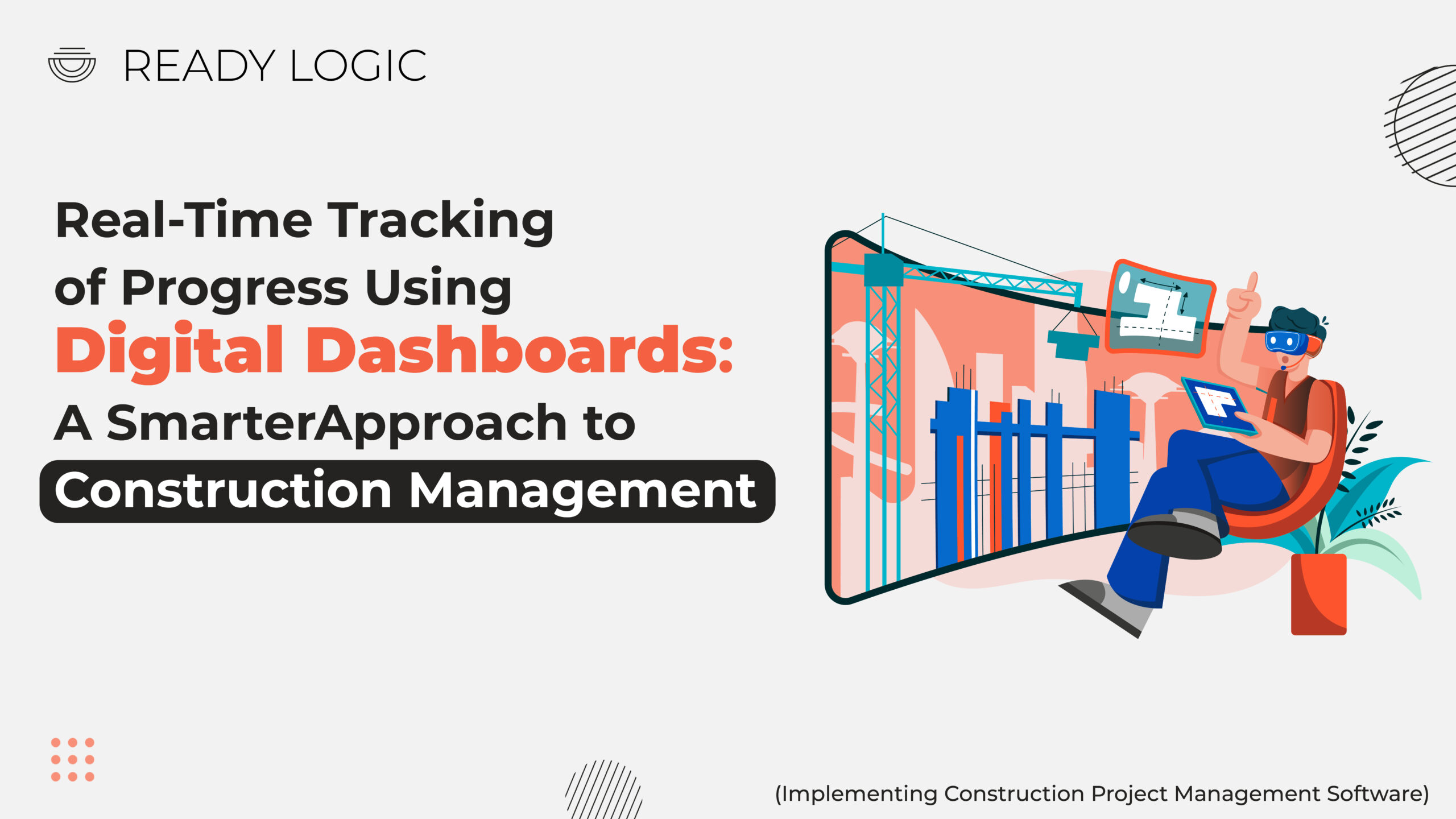
In today’s construction landscape, companies are managing increasingly complex projects, strict regulations, and high expectations for safety, quality, and transparency. To successfully navigate this environment, many firms are turning to centralized dashboard solutions for compliance in the construction industry. These tools help teams gather data, monitor performance, track safety standards, and ensure regulatory compliance — all in one unified platform.
This article explains what centralized dashboard solutions are, why they are crucial for construction compliance, key benefits, important features, challenges in implementation, real-world use cases, frequently asked questions, and a thoughtful conclusion.
What Are Centralized Dashboard Solutions in Construction?
A centralized dashboard solution is a digital tool that displays key information from different systems in one place. Instead of checking multiple reports, spreadsheets, or software applications, users view everything they need on a single dashboard. For construction companies, this often includes:
- Project progress and milestones
- Safety inspections and protocols
- Regulatory compliance requirements
- Financial compliance data
- Quality control metrics
- Risk assessments and mitigation tracking
The goal is to gather complex data from many sources and turn it into an easy‑to‑understand visual overview that supports decision‑making and compliance oversight.
Why Compliance Matters in Construction
The construction industry operates under strict regulations that cover safety, labor laws, environmental protection, contract obligations, and quality standards. Failing to meet compliance requirements can lead to:
- Costly fines and legal penalties
- Project delays
- Safety hazards and workplace injuries
- Damage to reputation
- Loss of future contracts
Because of this, construction teams must consistently monitor compliance at every stage of a project. Traditional approaches — like manual checklists, paper records, and disjointed software — often fail to provide real‑time clarity. This is where centralized dashboard solutions make a major difference.
Key Benefits of Centralized Dashboard Solutions for Compliance
Real‑Time Visibility
With a centralized dashboard, decision‑makers can see up‑to‑date compliance status without waiting for weekly reports. This allows teams to act quickly when issues arise.
Instead of searching through separate systems for inspection reports, safety logs, or financial compliance data, everything is displayed in one place — often with color‑coded alerts and visual indicators.
Better Risk Management
Dashboards can highlight areas that need attention, such as:
- Missed safety inspections
- Expired certifications
- Budget overruns
- Regulatory gaps
By visualizing these risks early, teams can prevent small issues from becoming major problems.
Improved Accountability
Centralized dashboards allow managers to assign tasks, set deadlines, and track completion. This increases accountability across teams and ensures each compliance requirement receives proper attention.
When responsibilities are clear and visible to everyone, compliance becomes easier to manage and less likely to be overlooked.
Streamlined Communication
Construction projects often involve field workers, project managers, compliance officers, subcontractors, and executives. A centralized dashboard can bridge communication gaps by providing a shared source of truth.
When everyone has access to the same information, misunderstandings are reduced and decisions are based on reliable data.
Automated Reporting
Instead of manually compiling reports from multiple sources, a dashboard can generate scheduled or ad‑hoc compliance reports automatically. This saves time and reduces errors.
Leaders can export regulatory reports, safety audits, and compliance summaries with just a few clicks — boosting both efficiency and accuracy.
Important Features of a Good Construction Compliance Dashboard
Not all dashboard solutions are created equal. Here are features that matter most for the construction industry:
Integration With Existing Systems
A dashboard must connect with tools that companies already use, such as:
- Project management software
- HR and payroll systems
- Safety and inspection tools
- Document management systems
- Accounting software
Integration ensures that data flows automatically into the dashboard, eliminating manual entry.
Custom Alerts and Notifications
The best dashboards allow users to set alerts for compliance deadlines, inspection due dates, certification renewals, or financial thresholds. Notifications help teams stay ahead of critical obligations.
Role‑Based Access Control
Different users need different levels of access. For example:
- Field teams see daily tasks and safety checklists
- Compliance managers see regulatory metrics and risk alerts
- Executives view high‑level compliance summaries
Role‑based access keeps sensitive information secure while giving each user relevant insights.
Data Visualization Tools
Visual charts, graphs, and heat maps make complex compliance data easier to understand. Instead of rows of numbers, managers see clear, actionable visuals.
Mobile Access
Construction work happens on‑site, not always in an office. Mobile support allows supervisors and workers to access the dashboard from phones or tablets, capture data in real time, and update status instantly.
Real‑World Use Cases
Safety Compliance Tracking
Imagine a large construction site with multiple subcontractors. Rather than using paper safety logs, teams use the dashboard to record completed safety inspections, identify missing approvals, and receive alerts when new hazards are detected.
This real‑time tracking improves safety culture and reduces accident risk.
Regulatory Permits and Certifications
Different projects require different permits and inspections. A centralized dashboard can track permit status, expiration dates, and compliance reports — simplifying regulatory oversight and eliminating delays caused by missing documentation.
Financial Compliance and Reporting
Large construction projects involve complex contracts, subcontractor payments, wage compliance, and tax reporting. A dashboard that connects financial data with compliance requirements ensures that spending stays within legal boundaries and financial audits are easier to prepare.
Challenges and Considerations
While centralized dashboard solutions offer many benefits, implementing them can come with challenges:
Data Accuracy
Dashboards are only as good as the data feeding them. Companies must ensure that integrated systems provide accurate and up‑to‑date information.
Change Management
Introducing a new dashboard system may require training teams and changing existing workflows. Clear communication and training programs are essential for successful adoption.
Initial Cost and Integration Effort
Buying and configuring a dashboard solution requires investment and planning. However, long‑term gains in efficiency and risk reduction often outweigh initial expenses.
Frequently Asked Questions
What types of construction firms benefit most from centralized dashboards?
All construction companies — from small contractors to large multinational builders — can benefit, especially when handling complex compliance requirements.
How does a dashboard help with safety compliance?
By showing inspection results, violations, hazard trends, and training status on one screen, a dashboard allows teams to proactively address safety gaps.
Can dashboards be customized?
Yes — most modern solutions allow users to tailor views, alerts, and reports for their specific needs.
Is mobile access important?
Yes. Because construction work happens on‑site, mobile support ensures teams can update and view compliance data in real time.
Do dashboards replace compliance officers?
No. Dashboards enhance human decision‑making by providing clearer data; they do not replace the expertise of compliance professionals.
Conclusion
Centralized dashboard solutions are transforming how the construction industry manages compliance. By consolidating data from multiple systems into one clear, visual platform, these tools improve visibility, accountability, risk management, and communication. From safety tracking and regulatory reporting to financial oversight and team coordination, dashboards help construction companies meet their compliance responsibilities more efficiently and confidently.
As the industry continues to evolve with digital technologies, adopting centralized dashboards is quickly becoming a best practice — helping teams stay safe, compliant, and successful in every project.