
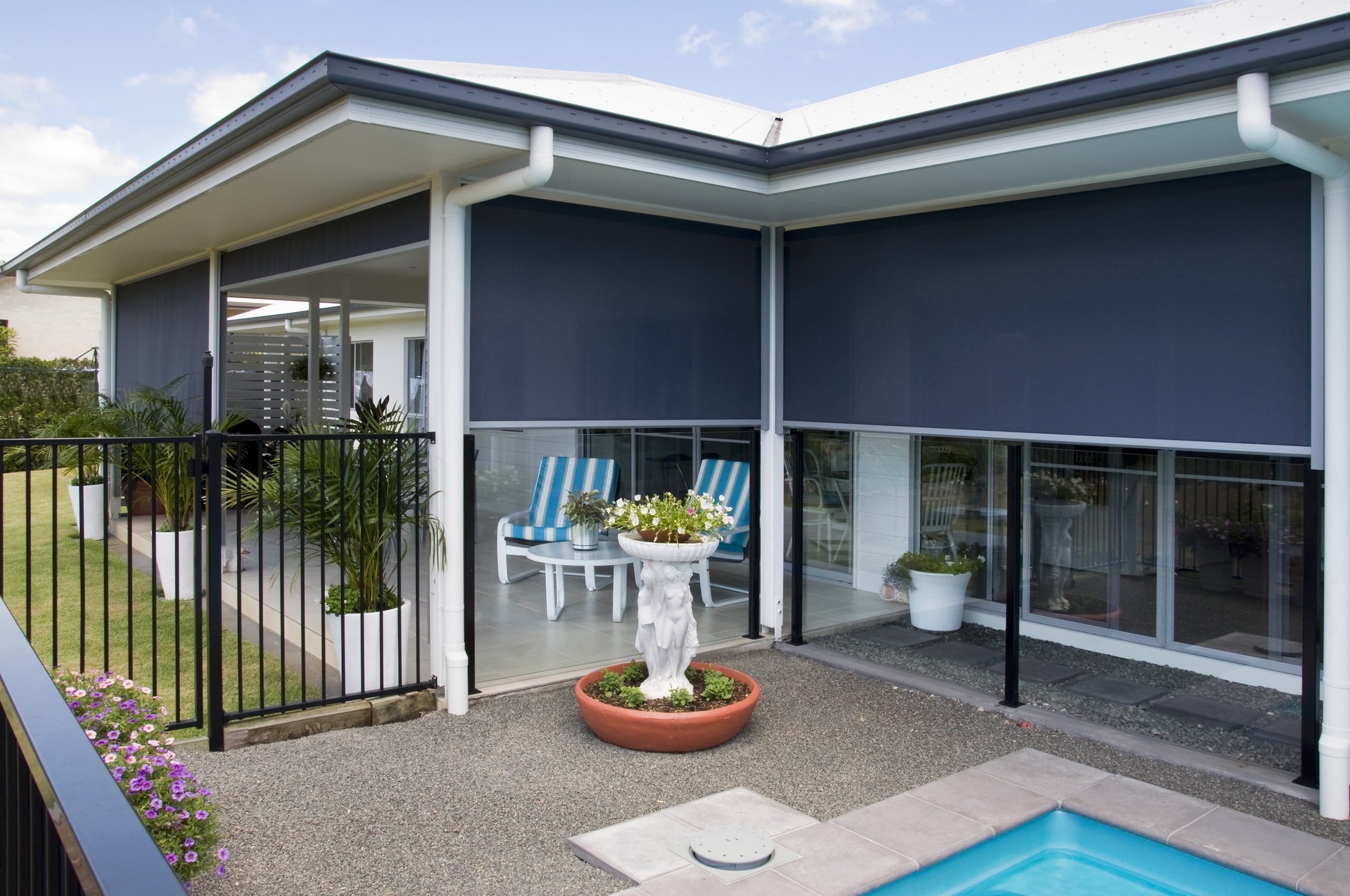
A patio can provide valuable extra living space for relaxing, dining, entertaining guests, or simply enjoying fresh air. However, changing weather conditions can make an uncovered patio uncomfortable during certain parts of the year. Strong sunlight, unexpected rain, excessive heat, and glare may limit how often the space can realistically be used.
The right awning can help create a more protected and adaptable outdoor environment. Modern designs combine practical materials, flexible operation, and thoughtful features that allow homeowners to enjoy their patios in a wider variety of conditions.
Adjustable Shade for Changing Sunlight
Sunlight does not remain in the same position throughout the day or across different seasons. A patio that feels pleasantly warm during the morning might become uncomfortably hot later in the afternoon.
Adjustable shade gives homeowners greater control over these changing conditions. Retractable designs can be extended when direct sunlight becomes intense and pulled back when more natural light is preferred. This flexibility is especially useful during transitional seasons when temperatures and sunlight can vary considerably from one day to another.
Protection From Light Rain
Unexpected rain can quickly interrupt an outdoor meal or gathering. Certain awning materials are designed to provide protection against light rain, allowing a patio to remain usable when weather conditions are less than ideal.
Good coverage can also help protect outdoor tables, chairs, and decorative items from frequent exposure to moisture. Homeowners should always consider the specific weather rating and intended use of a product because not every design is suitable for heavy rainfall or severe weather.
Durable Materials for Outdoor Conditions
Outdoor installations face constant exposure to sunlight, moisture, wind, dust, and temperature changes. Material quality therefore plays an important role in long-term performance.
Quality Awnings are generally created using materials selected specifically for exterior environments. Fabrics may offer resistance to fading, while frames and supporting components can be manufactured from materials designed to handle regular outdoor exposure. Selecting durable materials can reduce premature deterioration while helping the installation maintain its appearance.
Better Control Over Patio Temperature
Direct sunlight can significantly increase the temperature of outdoor surfaces. Flooring, furniture, walls, and glass doors can absorb heat throughout the day, making a patio less inviting.
Providing shade before sunlight reaches these surfaces can help create a cooler environment. This is particularly useful for patios that receive strong afternoon sun. A shaded area can become more comfortable for reading, dining, working, or spending time with family without relying entirely on indoor cooling.
Flexible Manual and Motorised Operation
Ease of operation can influence how frequently an awning is actually used. Traditional manual systems can provide a straightforward solution, while motorised options allow homeowners to adjust coverage with minimal effort.
Motorised operation can be especially convenient for larger installations. Some modern systems may also be compatible with remote controls or automated features, depending on the model. Convenient operation makes it easier to respond quickly when sunlight or weather conditions change.
Improved Glare Management
Patio comfort is not only about temperature. Bright sunlight and glare can make it difficult to read, use a laptop, watch an outdoor screen, or comfortably sit facing certain directions.
Strategically positioned shade can reduce direct glare while still allowing natural daylight into the outdoor area. This creates a more balanced environment without making the patio feel completely enclosed.
Coverage Designed Around the Patio
Every patio has different dimensions, orientations, and exposure to the elements. An awning should therefore be selected according to the characteristics of the individual space rather than simply its appearance.
Width, projection, mounting position, sun direction, and surrounding structures can all influence performance. Careful planning helps ensure that shade falls where it is actually needed during the times when the patio is most frequently used.
Supporting More Enjoyable Outdoor Living
A comfortable patio can become a natural extension of the home rather than an area used only when the weather is perfect. Features such as adjustable coverage, durable materials, convenient operation, rain protection, and effective shade can make outdoor spaces more practical throughout different seasons.
Choosing an awning based on both the patio layout and local conditions can help homeowners create a flexible environment for everyday relaxation and entertaining. With thoughtful planning, an outdoor area can remain comfortable, functional, and inviting for much more of the year.